Hey Rockstars,
As those of you who read my Sunday Check-In 007 know, last week I co-chaired the SABA-DC Public Interest Benefit Gala! I am so proud of everything we did, and I told myself that I’ll put together one more blog post about it and then I’ll stop making it my personality. So this is that blog post. It
I Was Supposed to Have This Room a Year Ago
First things first, this was actually attempt #2. I was supposed to have this room a year ago. In 2025, when I was co-chairing the gala for the first time, we had planned to hold it at the National Postal Museum (like this year). It was scheduled for October 19, 2025, and we were fairly excited about it. Then, October 1 came around and the government shut down. The venue told us that if we are willing to prepone our event by a week and host it on October 12, 2025, then the Smithsonian should have enough reserve funds to stay open. But we had already sold 100 tickets, and we worried if we preponed the event by a week, we would have to refund everyone and/or wouldn’t sell enough tickets for the new date. So we had to decide: do we cancel the gala altogether that year and refund everyone, do we prepone it by a week and take our chances, or do we keep the date and try to find a new venue in three weeks that could accommodate 150 guests, a sound system, a stage, and outside catering.
Sidenote: prepone is definitely a word. It’s a Sandhya-classic. The opposite of postpone is prepone.
We decided to pivot to the Rubell Museum. It was a beautiful venue, they also let us keep the art galleries open for the VIP reception, and I am proud that we put it all together. And of course the gala happened. People came—there were some hiccups—but everything was fine. I was ready not to be the co chair again, but something kept nagging at me: this was not the gala I pictured.
So I had to do a redo.
As soon as that gala was over, I emailed the National Postal Museum and said we wanted to do our gala there in 2026. The venue was kind enough to honor our 2025 rate for a 2026 event, and we were sure to do it before October 1 because no government shutdown was going to stop me this year.
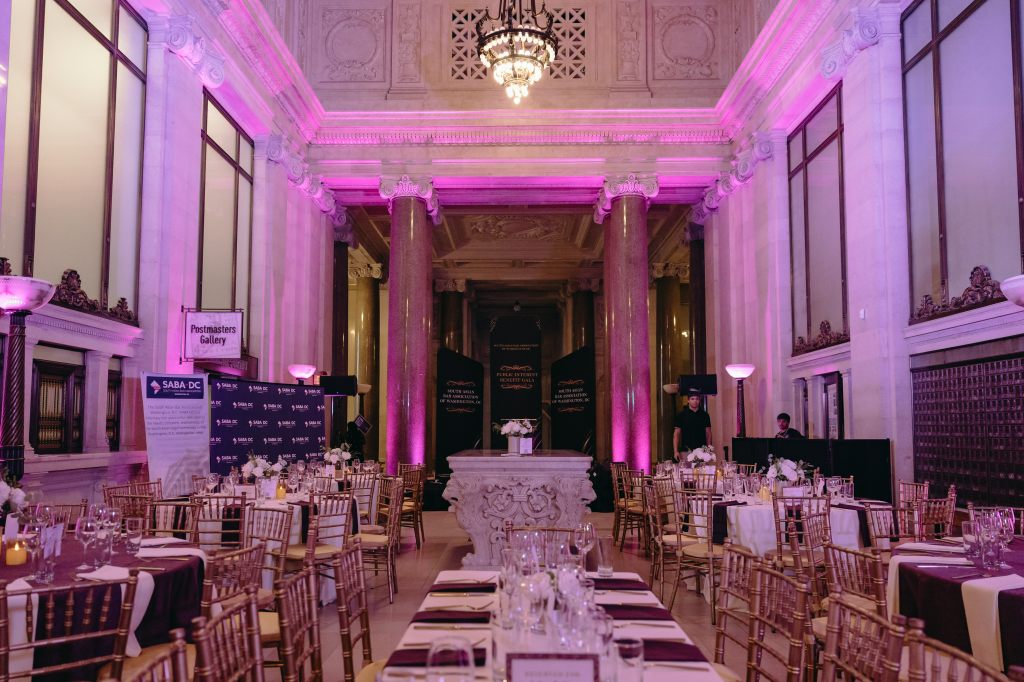
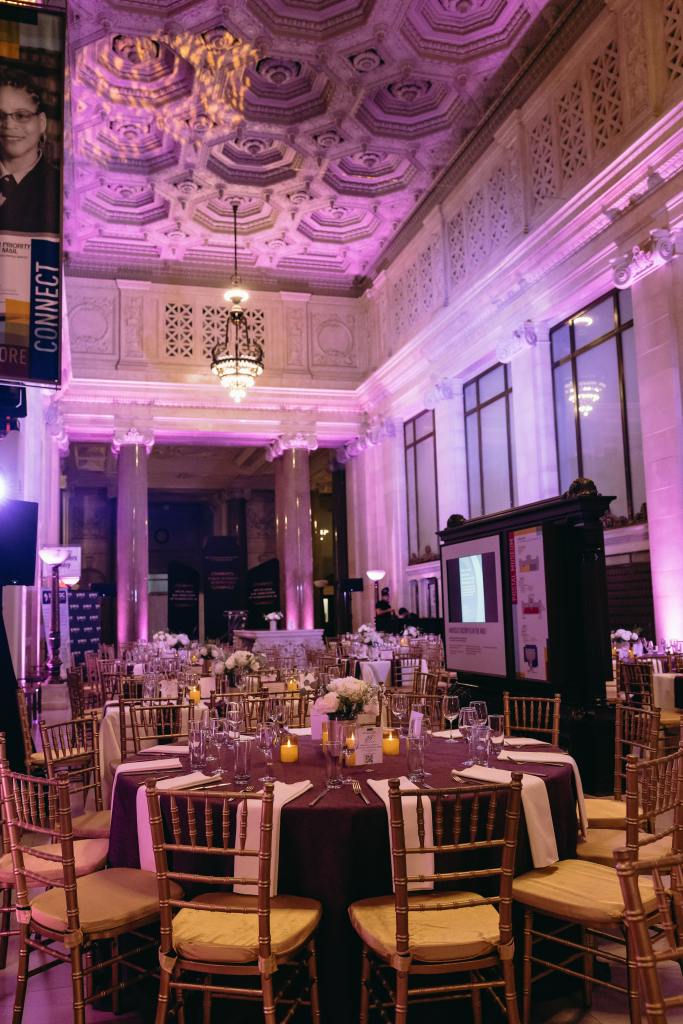
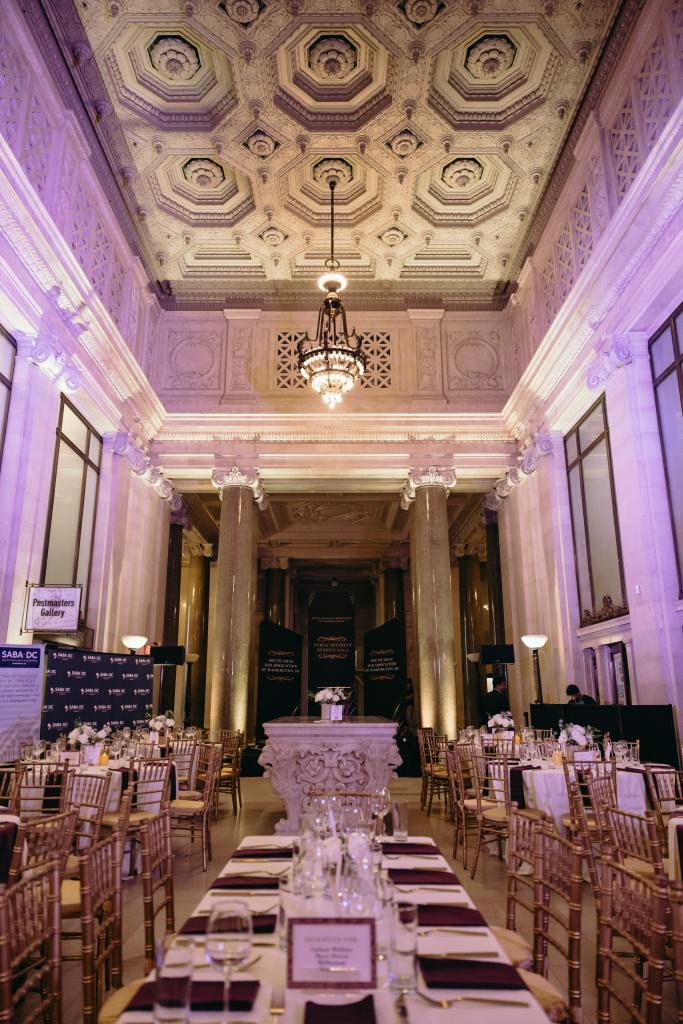
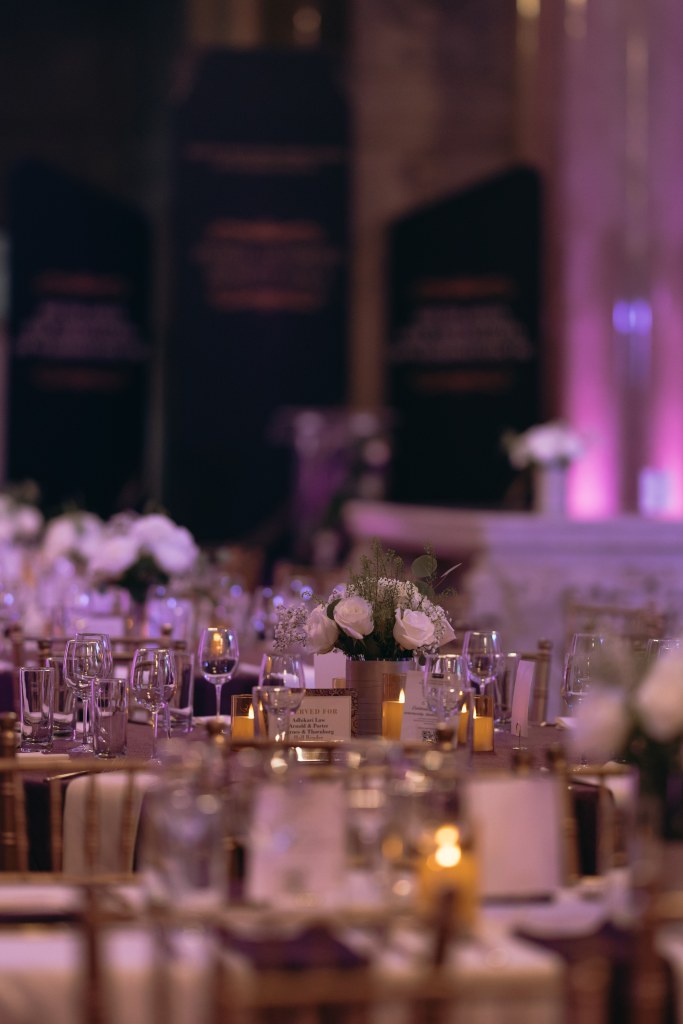
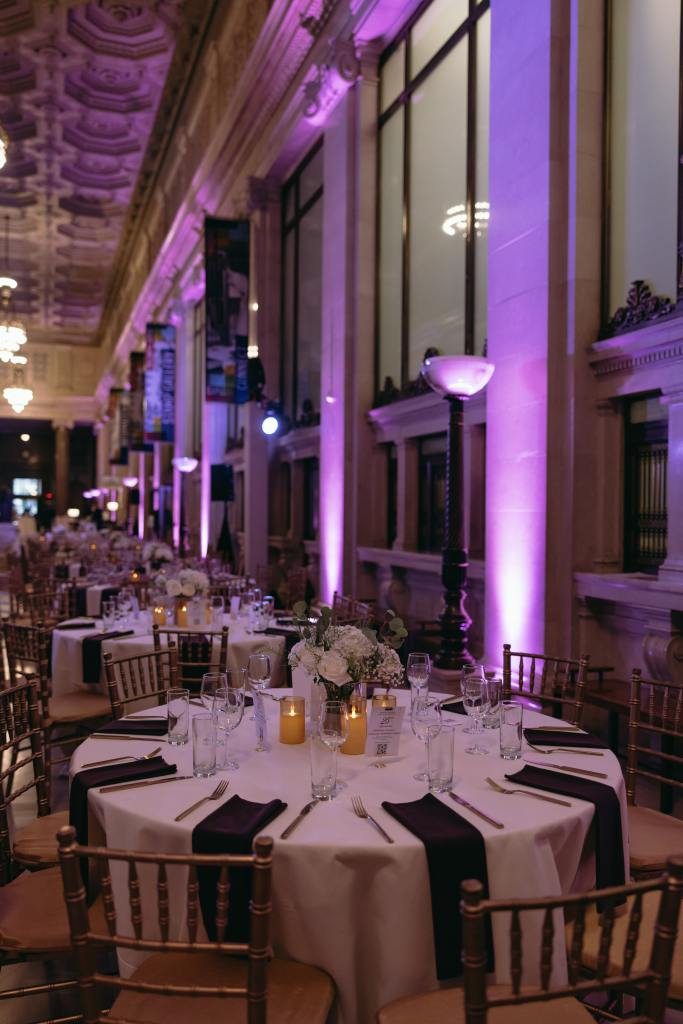
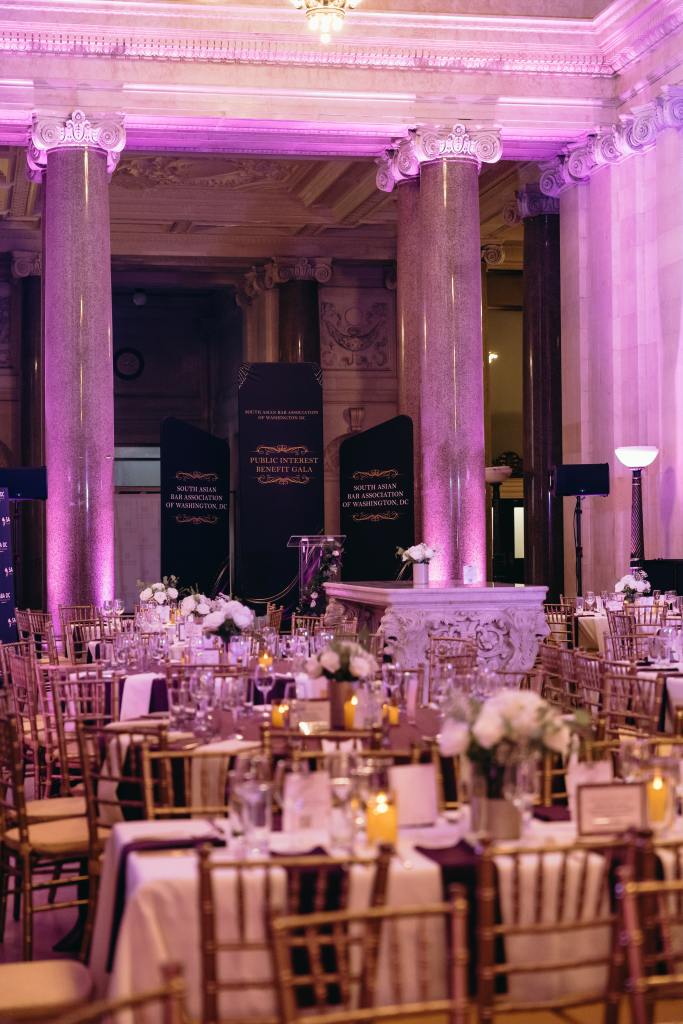
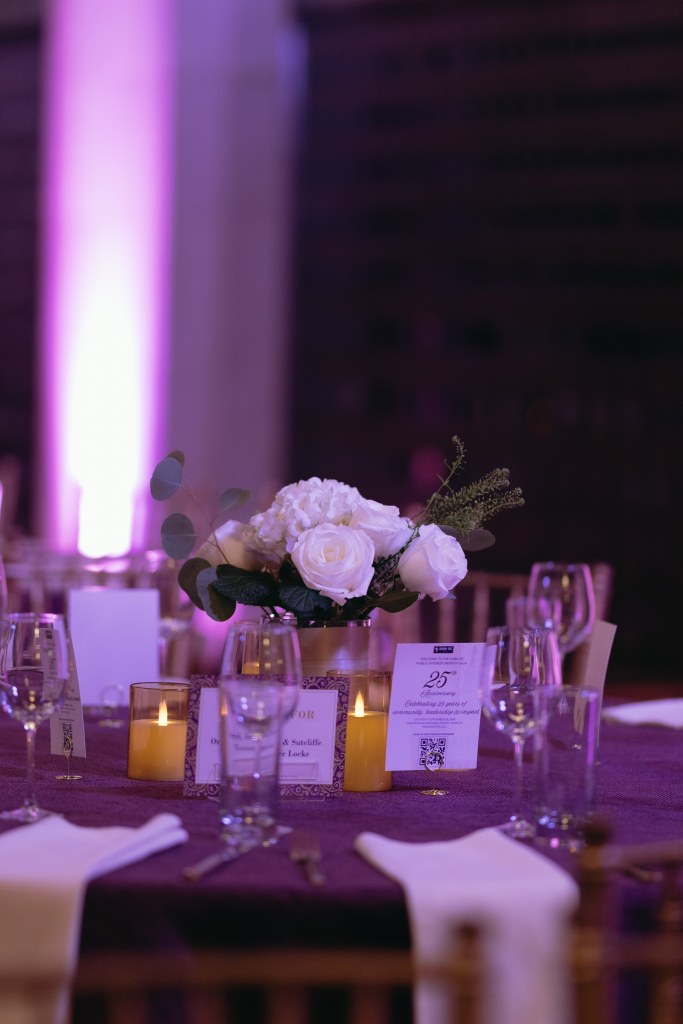
So this year, I already knew what I wanted the room to become. I knew the colors: eggplant and champagne, with ivory and gold. I knew I wanted it to feel warm and dramatic and a little regal. The historic lobby has soaring ceilings, beautiful architecture, and the kind of scale that practically demands pomp and circumstance, and I wanted to lean into all of it. I wanted flowers—lots of them—and candlelight and good sound and a dance floor people would actually use. Last year’s gala hadn’t been what I wanted it to be, and I had been given another shot at the room. This was my redemption arc.
There is a reason I volunteered to co-chair a gala in the first place. I used to be a wedding planner, and I also, somewhat randomly, have a certificate in interior design. Neither fact comes up particularly often these days, but both have been lying dormant, waiting for someone to suggest that twenty-foot ceilings could make do with modest centerpieces. I know how to put on an event. I know how to handle stress, direct people when everyone needs an answer at once, and keep moving when something inevitably goes wrong. I also know that some of the things people are tempted to dismiss as extras are often the things that make a room feel like something.
I know something else about events, too: the best ones feel effortless. They are not.
A Seamless Event Is Made of Hundreds of Seams
For months, my co-chair, Ithi, and I worked on those seams. Some of the biggest pieces were easier this time because we’d already done the work once: we had the venue, the caterer, and the photographer. But there was still a DJ to find, décor to figure out, a keynote to coordinate, volunteers to organize, menus and cocktails and floor plans to debate, AV to arrange, seating charts to build, table signs to design, registration systems to create, and what felt like eight million emails to send. At various points, there was also an ongoing saga about where to put the dance floor (because the dance floor was a must).
We decided during the first walkthrough that we should do a “secret speakeasy” behind the stage and pillars where the dance floor will be, so once the program ends, we can “invite everyone to the speakeasy.” This was our plan for months. Then for some reason people lost the thread and the question then became whether we hide a DJ booth back there. What? No, why would we do that. The acoustics in NPM are strong enough that Vish can stay exactly where he is. But miscommunications and then in our final walkthrough we were told “no, we can’t do that.” Then day of the event, I made the executive decision “no, we have to do this” (also to my credit, I wasn’t at the final walkthrough and no one told me no), so when I asked the DJ he said yes of course it’s doable and that his guys were “putting the lights back there now.” People danced and had a great time. I remain vindicated.
Ithi handled our keynote and much of the catering communication, for which I remain deeply grateful because the catering communication alone felt like a part-time job, and we shared the volunteer wrangling. Our communications team handled the program. Other members of the board handled fundraising and sponsorships, ultimately making this a record fundraising year. This was always a collective undertaking, and one of the things I loved most about watching it come together was seeing how many people had ownership over different pieces of it.
My particular corner of the chaos included the venue, vendors, décor, flowers, photographer, DJ, AV, seating chart, table signs, registration, and an increasingly detailed mental model of exactly what the room was supposed to look like when the doors opened. There were hundreds of decisions nobody attending the gala would ever know had been decisions at all, which is, I think, part of the job. If the sound system is good, nobody thinks about the sound system; they just hear the speeches. If the floor plan works, nobody notices the hours spent moving imaginary tables around. If registration works, people simply walk in. If the room feels beautiful, nobody needs to know how many conversations preceded the decision to put that particular arrangement on that particular table. A seamless event is made of hundreds of seams. The goal is to stitch them together well enough that your guests never have to see them.
That Room Needed Flowers
There was one conviction from which I refused to be moved: that room needed flowers.
We got a fair amount of pushback on the flower budget, and I understood the question. Flowers are temporary. They can feel extravagant. There are always other things you could spend the money on. I just thought the answer was no. The Postal Museum’s historic lobby is enormous. The ceilings soar, the architecture has weight, and the room can swallow anything that isn’t substantial enough to hold its own. You cannot put something timid in the middle of a room like that and expect it to work. Thankfully, Amal, our president, backed me. When the cost was questioned, she agreed that the flowers mattered and that we should keep them.
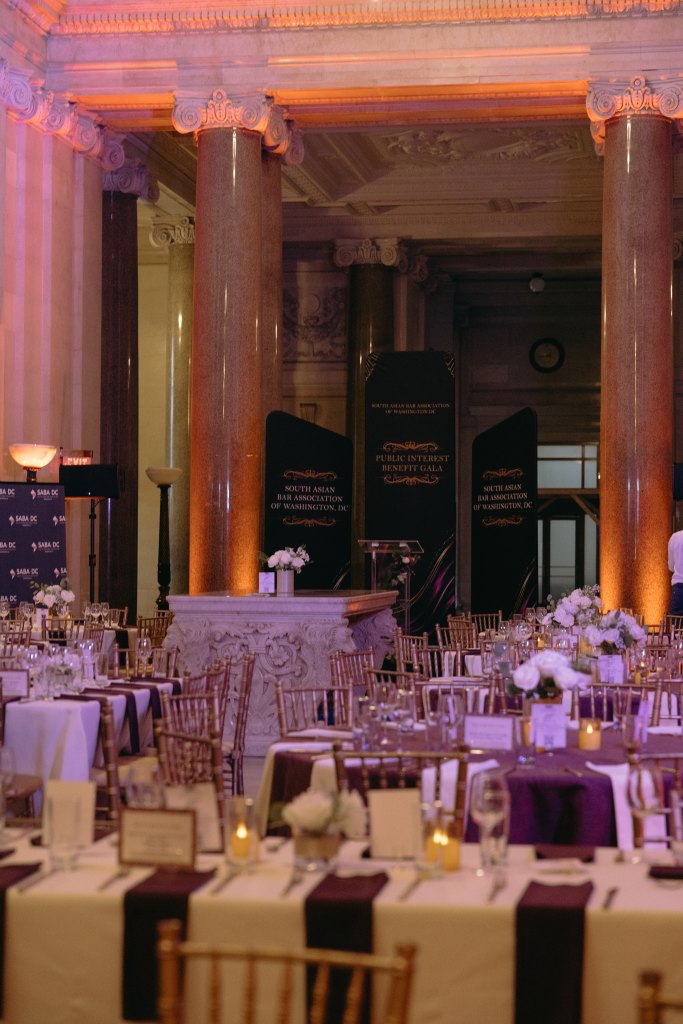
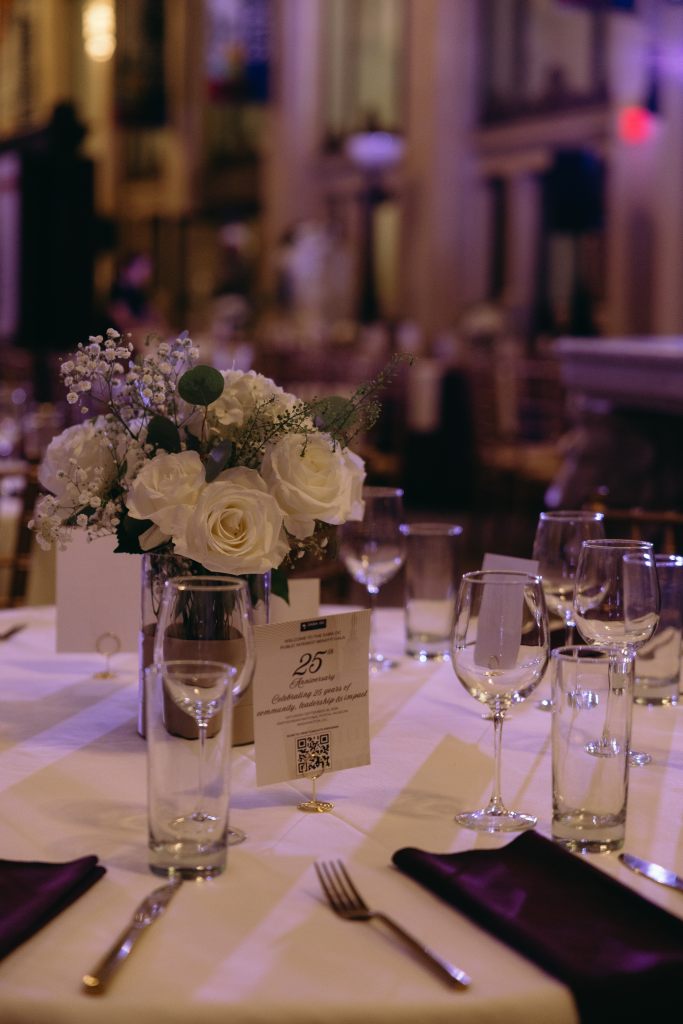
Then my mom took over, and I stopped thinking about the flowers entirely. I had given her the palette—champagne, purple, gold—and she decided the purple flowers she found weren’t right, so she pivoted to white. She and my dad went to the flower mart to buy the flowers, found the ribbon and vases, cut and assembled everything herself, and somehow produced twenty-one large arrangements and eight smaller cocktail arrangements. I would love to claim some artistic contribution here, but I did nothing. Truly. My contribution to the floral design was having a mother whose taste I trusted completely.
That trust is notable because I worried about nearly everything else. I worried nobody would come, and then, once we sold out, I worried too many people would come. I worried we wouldn’t have enough seats or enough food. I worried the floor plan would be wrong, nobody would help with setup, the stage panels would look bad, or the sound would echo so badly nobody could hear anything. I worried a security dog would discover something inexplicable in a vendor’s supplies and we’d somehow have to cancel the gala. I worried our keynote speaker might suddenly start talking about the manosphere. My brain was apparently committed to exploring the full spectrum of disaster.
I never worried about the flowers. There wasn’t a single doubt in my mind about how they would look. There is a particular kind of relief in having people in your life who don’t require a contingency plan.
Saturday
The morning of the gala, I woke up at seven. My mom helped me into my lehenga blouse because I knew I wanted to have it on before my hair and makeup appointments. Bless Saveth: she colored my hair, blow-dried and curled it, then put it into an updo with a twist and a beautiful pin in the back. It was 10 a.m., and I was (almost) gala ready. Now I just needed to get through the next ten hours and survive it. After the appointment, I figured I should eat before makeup, so I picked up Chick-fil-A and Sarah, and we drove to Sephora. I’ll admit, I liked my makeup a little less this time than I did during my trial, but it was still lovely, so it was fine.
Sarah and I got back to the apartment, and we knew we needed to rest before the gala started. So what did we do? We watched approximately half of Despicable Me. This is apparently how months of meticulous event planning culminate. But seriously, I had never seen the movie, despite posing in Minion glasses every time I go to Universal Studios.
Fast forward to 3:30 p.m., and we left for the museum. First, it was pouring and I was low on gas. Second, because it was pouring, every driver had apparently lost all their brain cells. And for some reason, every one of these drivers seemed to be headed to D.C. Just my luck. With every additional minute added to the “ETA” on Google Maps, I was getting more and more agitated. I was also fielding calls from my mom and Souvik, both of whom were stuck in the same bad traffic as me, while getting texts from board members saying they were running a little late too. What a perfect storm. Literally. We finally got there at 4:18 (eighteen minutes after I had hoped to arrive), parked a couple of blocks away, and hauled crap out of the car. Bless Sarah for being the strongest person I know, because she singlehandedly carried the heavy step-and-repeat through the pouring rain while my umbrella flew inside out and I held my lehenga up. It was not fun.
Getting everything inside was miserable, and I kept hoping that, by some miracle, the rain would stop before my mom arrived with the flowers so they wouldn’t get soaked. No such miracle came, but Sarah and Vishnu (our president-elect) helped my mom and dad unload twenty-nine floral arrangements from the car.
A whole 45-minute mess of events summarized in one paragraph. Wow.
But we finally made it all inside, and my mom came in to fluff the flowers and make sure they were gala ready, all while we waited for the caterer to finish setting up the tables, linens, and table settings.
Some of our board members came early to help set up, and I remain profoundly grateful to every person who walked up to me and asked, “How can I help?” I always had an answer. There were tables to adjust, table cards and programs to place, candles to arrange, registration to set up, stage panels and a step-and-repeat to position, sound and uplighting to check, and a caterer, a bar, and a floor plan to keep an eye on. For most of the afternoon, I wasn’t looking at the room as a room. I was looking at it as a collection of unfinished tasks, and because I had been carrying the whole picture in my head for months, I could usually look around and immediately see what was missing.
Sarah was beside me for essentially all of it. She had been there for Chick-fil-A and Sephora and half of Despicable Me, and then she was there in the rain, during setup, and while I practiced my speech several times before anyone arrived. She stayed through the end of the night, too. A few days later, she described the event as “magical and seamless,” which might be one of the nicest things anyone could have said about it. Sarah knew exactly how many moving parts there had been. She had seen the seams.
At 6:15, I Looked Up
At around 6:15, there weren’t very many tasks left. I was standing with my friend Souvik when I finally looked around—not at the registration table, or the stage, or a vendor, or something that still needed to be moved six inches to the left, but at the room. Actually, I looked at the ceiling first. I thought, “Wow, the building is amazing.” Then my eyes drifted down to the room that we had spent months planning and hours putting together: Wait, this is literally beautiful?
Somewhere between my running around, the room had slowly stopped looking like a museum waiting for an event and started looking like the event itself.
For months, I had been seeing the room as it wasn’t yet. Even during setup, I wasn’t really seeing what was there; I was seeing the distance between what was there and what I knew it could be. Suddenly, the distance was gone. The flowers were exactly right. The white arrangements were enormous enough to belong beneath those ceilings. The plum and champagne looked rich against the architecture, gold caught the light everywhere, and candles flickered across the tables. The stage panels worked. The uplighting worked. The room somehow felt warm despite its scale.
The thing I had been carrying around in my head was standing in front of me; only now everyone else could see it too.
And then we opened the doors.
The Part We Couldn’t Plan
There is a point in event planning when you run out of things you can control. You can plan every centimeter of a room. You can decide where the tables go and what sits on them, choose the music and the menu and the lighting, build the seating chart, test the microphones, and spend an unreasonable amount of time debating a dance floor. You can puppet-master the atmosphere all you want. Eventually, though, you have to open the doors and let other people into the thing you made, and then it belongs to them, too.
People came in, and they talked and ate and laughed. Souvik played tabla for six minutes, and I watched from the side as the entire room watched him. He got everyone clapping with him; even Bradley was engrossed, which, if you know Bradley, is an achievement I would like entered into the official record. People listened to the speeches, took pictures, filled the dance floor we’d spent so much time debating, and told us how beautiful everything looked. More importantly, they looked like they were having fun.
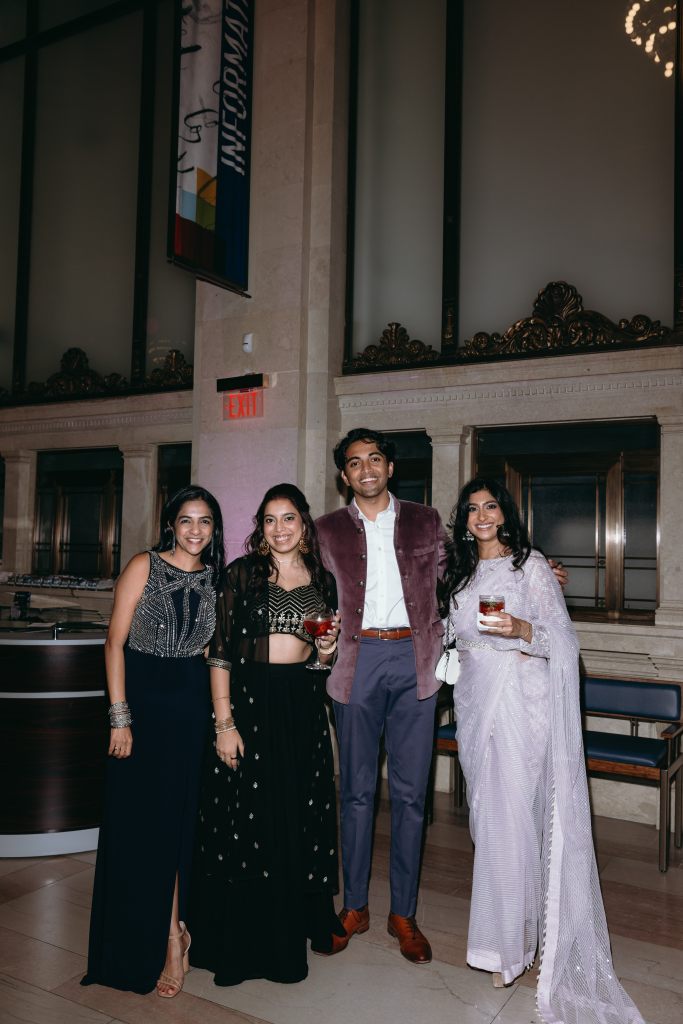
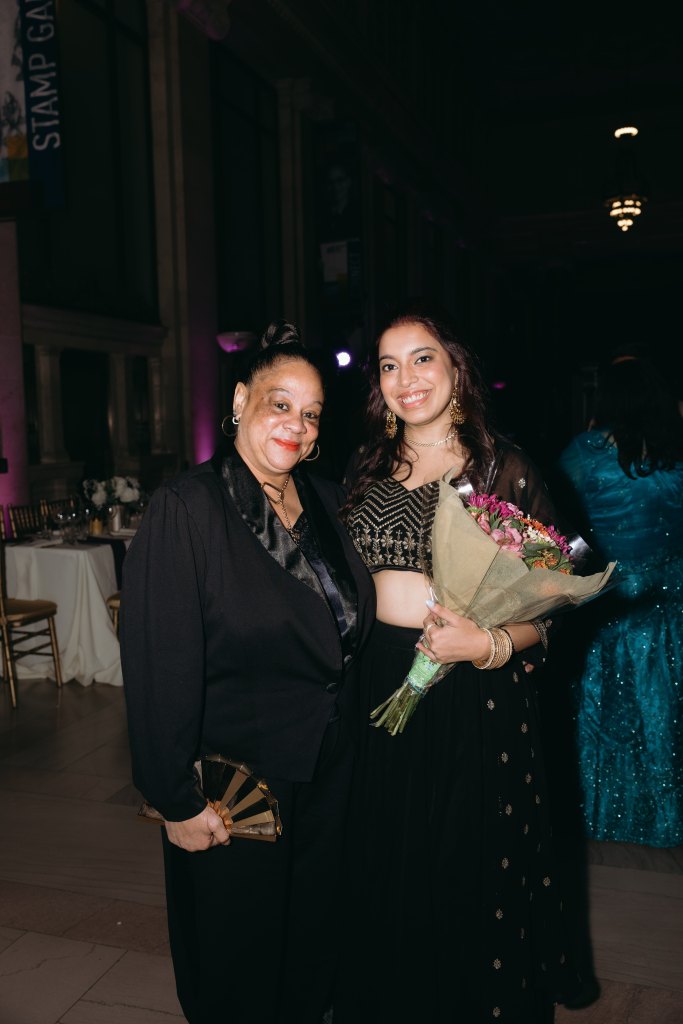
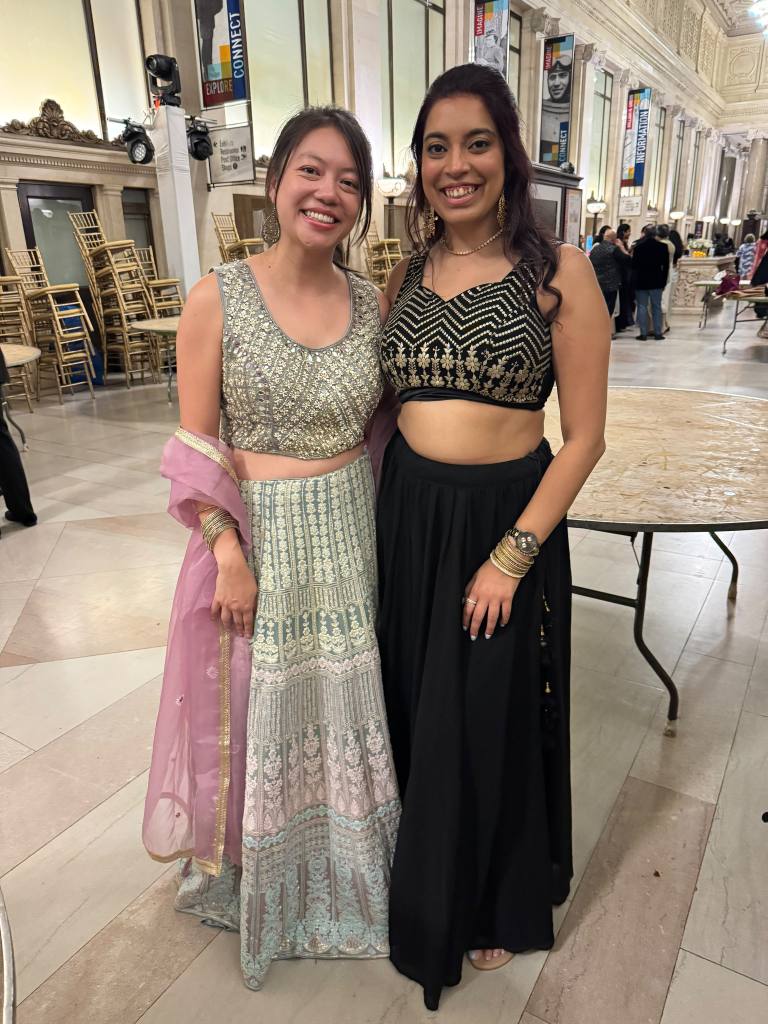
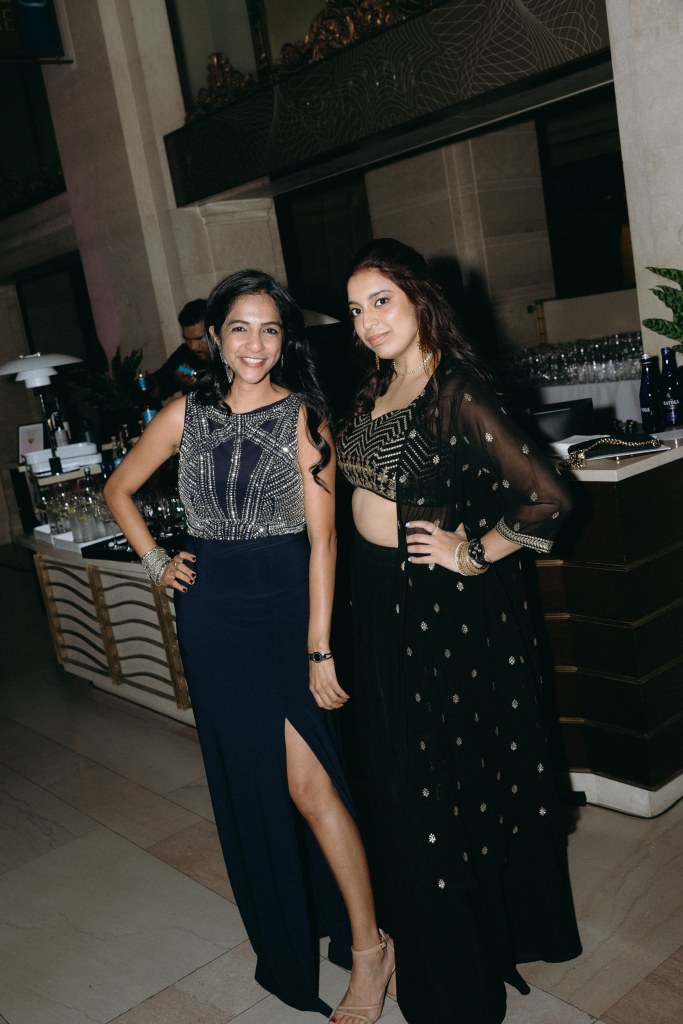
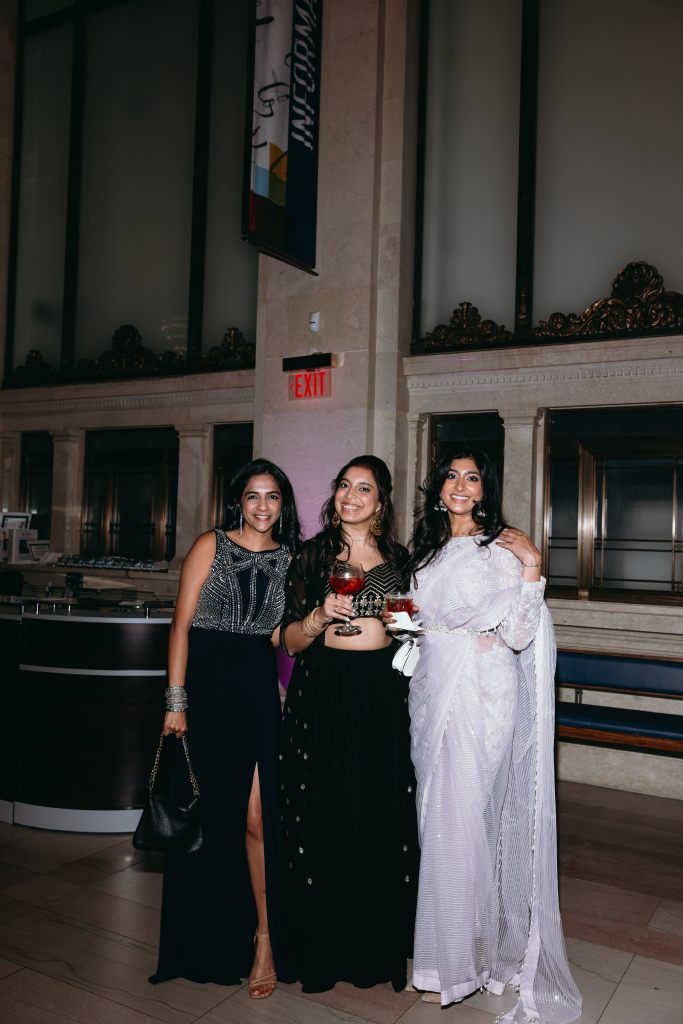
I could create the room and the conditions inside it. I could anticipate what might make people comfortable or delighted or willing to stay a little longer, but I couldn’t manufacture their happiness. The smiles weren’t part of the floor plan. The laughter wasn’t in a spreadsheet. Nobody could make a room full of people genuinely enjoy themselves just because we’d decided they should. That part had to happen on its own, and it did.
For four hours on a Saturday evening, this ridiculous thing that had lived in spreadsheets and emails and floor plans and seating charts became a place where people were happy. And I imagine people had fun at the afterparty too, though I had no energy to care: I had completed my four-hour jurisdiction and wanted to go home.
The Photographer Is for Later
There are three things I will defend spending money on at an event: flowers, good sound, and a great photographer. The flowers make the room feel complete. Good sound disappears when it’s working properly; people simply hear what they’re supposed to hear. The photographer is different. The photographer is for later.
Events are strange because you can spend months building something designed to disappear within hours. Eventually, the music stops, the candles go out, the linens come off the tables, the stage panels come down, and the museum becomes a museum again. In our case, even the flowers left. My mom had brought bags so guests could take arrangements home, and at the end of the night, Sarah, Souvik, Devi, and I started packing them up. Some guests hovered nearby in that particular way people do when they want something but aren’t quite sure they’re allowed to ask, and every time I asked, “Do you want one?” their faces lit up. My mom’s flowers did that. Pieces of the room left the museum in people’s arms.
Then the room disappeared. That is the strange bargain of making an event: you can spend months obsessing over something that physically exists for only a few hours. Years from now, much of what I remember about that night will probably come from photographs, because the photographer preserved the room after we had to give it back.
And looking at those photographs afterward, I noticed something I hadn’t noticed while I was standing inside it.
Oh. I Know This Place.
One thing that I didn’t really notice until I looked at the pictures afterward, though, was that the gala looked strangely familiar. The plum. The champagne gold. The ivory. The flowers and candlelight. The warmth. The slightly ridiculous insistence that if something can be functional and beautiful, there is no reason it shouldn’t be both. I kept looking at the photographs and eventually realized: Oh. I know this place.
It looked like my blog, Coffee & Check-Ins.
I didn’t intentionally design a gala around my blog. In fact, the gala palette came first. But apparently I have a visual vocabulary, and apparently if you give me a historic building, a budget, several months, an interior design certificate I almost never mention, a former life as a wedding planner, and enough authority to become mildly insufferable about flowers, I will build the same little world I keep building everywhere else.
Only this time, people could walk into it.
Coffee & Check-Ins is usually words on a screen. It’s me taking something I’ve noticed or loved or worried about and trying to make a little place for it here. For one night, I got to do that in three dimensions, and I didn’t realize that was what I’d done until the room was already gone.
I Made This
A few days later, Ithi posted photographs from the gala and wrote about the months of planning, countless emails and calls, and many hours that had gone into one beautiful night. She ended by calling me her “stellar co-chair” and writing, “We really did that.”
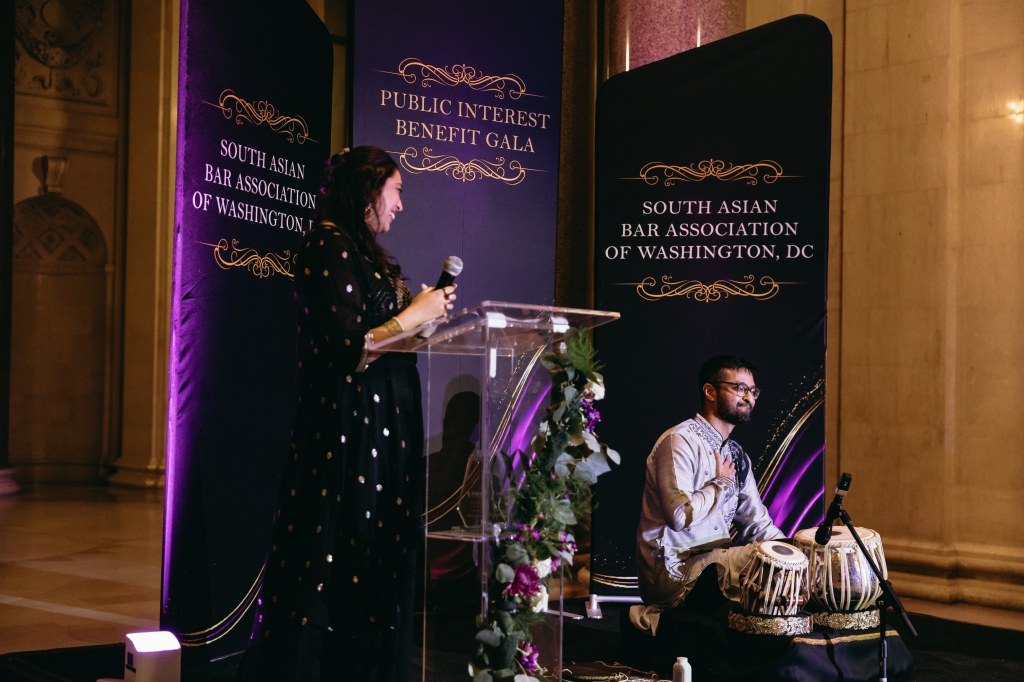

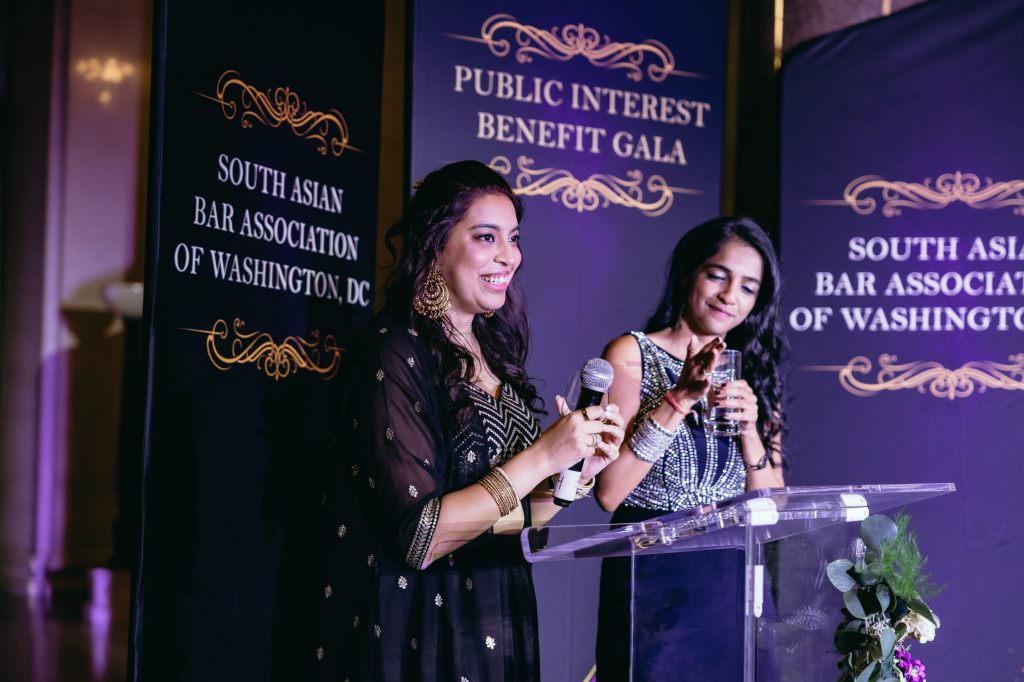
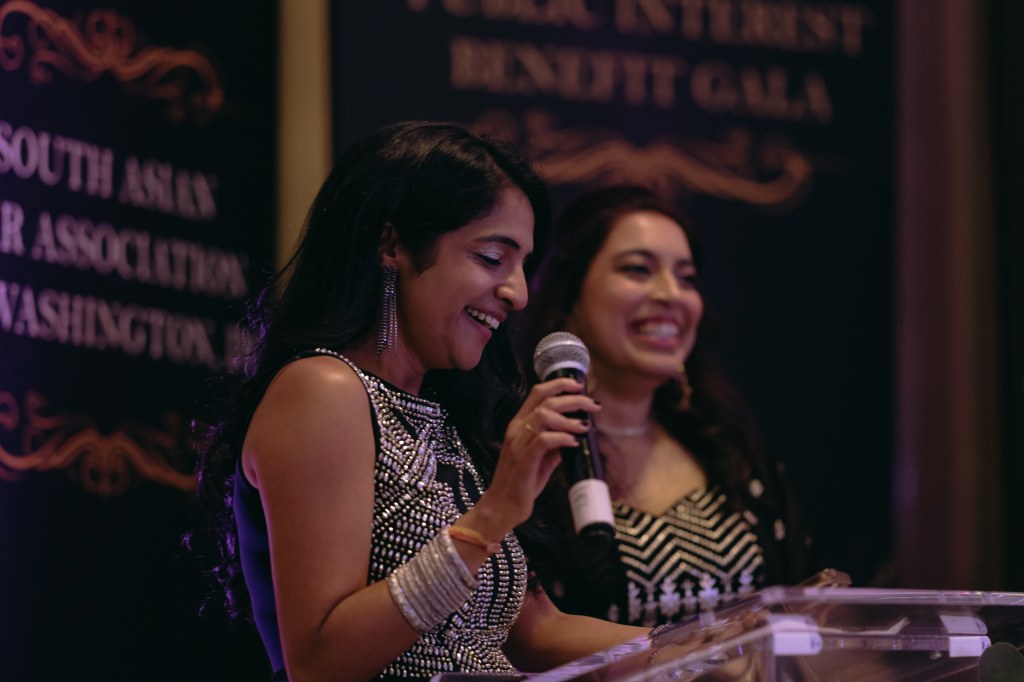
We really did.
This was never something I made alone. Ithi was my partner through months of planning and carried enormous pieces of the work. My mom made twenty-nine floral arrangements, and my dad supported her throughout the process and helped get them there. Amal trusted our judgment at different parts of the planning process. Sarah stood beside me through the rain, setup, speech rehearsals, and cleanup. Vishnu and other board members showed up early and asked what they could do. Our communications team made the program, while other members of the board raised the money that made the evening possible. Volunteers worked registration. Vendors took ideas and turned them into physical things. Souvik gave the room six beautiful minutes of music. Our keynote gave an inspiring twenty-five-minute speech. Our DJ got people onto the dance floor. Our photographer made sure we’d remember all of it. And then our guests walked through the doors and supplied the one thing none of us could plan for them: their own joy.
So yes, we made this. But I’ve been thinking about the difference between saying I made this and saying I made this by myself, because those aren’t the same claim. I didn’t make it by myself, and saying that I made it doesn’t require pretending that I did. There is room to be grateful for every person who put a hand on this thing and still recognize my own fingerprints all over it.
When I look at the photographs now, what I feel more than anything is pride. Not surprise, exactly. I knew I could do this; that’s part of why I volunteered. I knew how much work it would take, and I knew I could handle it. But knowing you can make something and actually getting to stand inside the finished version of it are different things. For months, I could see the room in my head. At 6:15 on a Saturday evening, I finally got to see it in front of me.
Now it’s gone again, except in photographs. And every time I look at them, I have the same almost childlike impulse to point at the screen and say, with absolutely no qualification at all:
I made this.
Until next time!
xo
Sandhya
Stay awhile! Subscribe to The Sunday Check-In for a new note every Sunday or send me a note at coffeeandcheckins@gmail.com—topic suggestions, thoughts, rabbit holes, and hellos are always welcome🙂❤
If you’d like to support this little corner of the internet, you can also buy me a coffee☕


